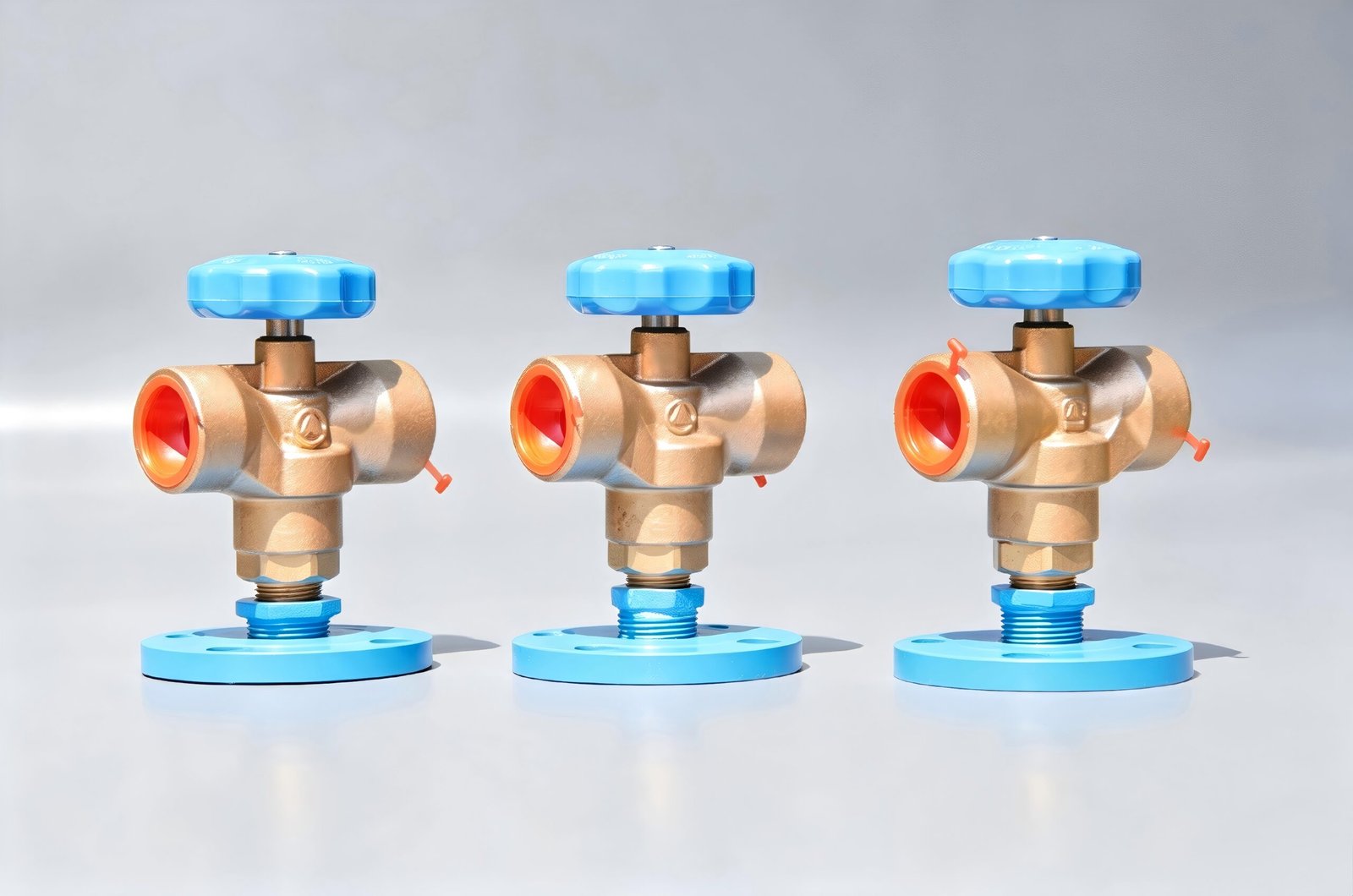
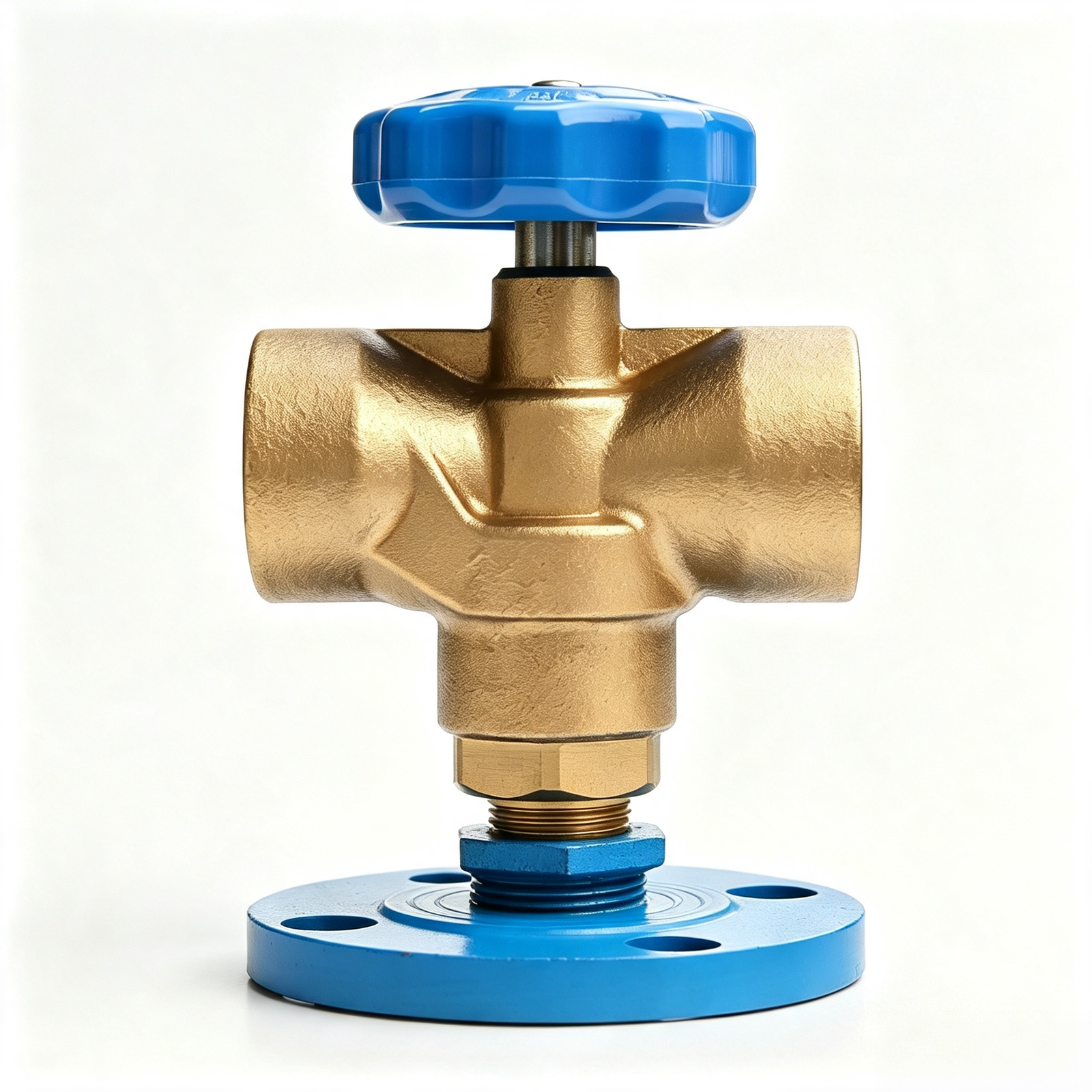
1.Product Function: Open valve for water, close valve to preventfreezing. No need forinsulation, pipe will not freeze at -50°C.
2.Material: Brass
3.Specifications: DN15-DN80, nine types
4.Application Scenarios: Suitable for water supply pipes and fireprotection pipelines in various fields
Product Description
Pipe Anti‑freeze Valve (Manual Type) — Vacuum‑based Cold‑climate Pipeline Protection Solutions
TEAC Industries’ Manual Pipe Anti‑freeze Valve delivers reliable freeze‑proof performance for harsh low‑temperature pipeline projects. Our manually‑operated brass‑bodied valves adopt original vacuum drainage principle, requiring no thermal insulation materials, keeping pipelines free from bursting even under extreme‑50 °C conditions. Manufactured from high‑grade brass, the valve covers nine standard sizes ranging DN15‑DN80, supporting straightforward manual switching for water supply and anti‑freeze drainage.
With over 13‑year professional experience in vacuum anti‑freeze equipment development and full‑range custom‑adaptation capacity, we solve critical pipeline freeze‑burst pain points in cold regions. The valve eliminates traditional costly approaches such as heat tracing, insulation wrapping and running‑water anti‑freezing, lowering long‑term operation and maintenance expenses. All units pass strict pressure‑resistance and low‑temperature validation tests, achieving stable leak‑free performance for multi‑sector procurement requirements across water supply and fire‑protection industries. Each valve realizes simple switch‑over: open for water supply, close to trigger automatic residual‑water draining, preventing pipe damage caused by frost expansion.
What is Fluid Vibration Frequency Superposition Sub-Dynamic Technology?
Fluid Vibration Frequency Superposition Sub-Dynamic Technology is an innovative technology developed by integrating aerodynamics and fluid mechanics. It forms the SK Fluid Dynamic Module Vacuum Assist System, which as a whole meets internationally advanced technical standards and is specifically designed to address industry challenges such as low-temperature freezing and blockages in water supply pipes, poor drainage, and hydrodynamic energy losses.
The entire system is divided into four consecutive operational stages—aggregation, ejection, bursting and secondary propulsion—each of which amplifies the fluid’s efficacy:
1. Aggregation | Dynamic Design
Through the dynamic angular design of a specialised impeller structure, the optimal operating range is identified, maximising the aggregation of water molecule bubbles within the pipeline and laying the groundwork for subsequent energy release.
2. Ejection | Vibration Frequency Range Design
Relying on a dynamic blade structure, the system precisely matches the optimal amplitude and vibration frequency range for water molecule bubbles, applying force to the aggregated bubbles to achieve their directional ejection.
3. Bursting | Burst Rate Design
Under the continuous dynamic force of the vibration frequency, the ejected bubbles achieve maximum bursting of water molecule bubbles, fully releasing the vibrational energy and creating a vacuum-assisted effect.
4. Secondary Kinetic Energy | Utilisation Study
The utilisation of the energy saved through the bursting process is optimised, converting the energy released by the bursting bubbles into secondary kinetic energy within the pipeline. This drives the movement of the fluid inside the pipe, achieving a vacuum-assisted drainage effect.